The release of Obsession, one of the most talked-about horror films of 2026, has sparked an intense debate in India—not because of its terrifying storyline or psychological twists, but because of the Central Board of Film Certification’s decision to remove 38 seconds of footage despite granting the film an Adults Only (A) certificate.
The controversy has reignited long-standing discussions around film censorship, creative freedom, and the purpose of adult certification in Indian cinema. While censorship disputes are not new, the reaction surrounding Obsession has been particularly strong because many viewers believe the removed scenes were not merely graphic additions but important narrative elements that contributed to the film’s overall impact.
As audiences took to social media platforms to express disappointment, the conversation quickly expanded beyond one movie and evolved into a broader discussion about the role of censorship in modern entertainment.
What Exactly Was Removed?
According to certification details released before the film’s theatrical release, the CBFC approved Obsession with an A rating but required several modifications.
The board ordered the reduction of approximately 24 seconds of scenes categorized as extreme violence. In addition, around 14 seconds depicting graphic sexual activity were completely removed. A visual containing nudity was also reportedly altered or replaced before clearance was granted.
In total, 38 seconds of footage were cut from the final theatrical version shown in Indian cinemas.
On paper, 38 seconds may appear insignificant in a film with a runtime of nearly two hours. However, viewers who watched the film argued that the removed footage affected key moments, particularly in the later portions of the narrative.
Several audience members claimed that certain character motivations, emotional transitions, and climactic developments felt incomplete because of the edits.
The Irony of an A Certificate
One of the biggest points of criticism revolves around the film’s certification itself.
An A certificate is specifically intended for adult audiences. By definition, it restricts viewership to individuals above the prescribed age threshold. Many moviegoers therefore questioned why scenes involving mature themes were still edited after the film had already been categorized as adult content.
For critics of the decision, the issue is not simply about violence or sexual content. Instead, it concerns consistency.
Viewers argue that if a film is designed exclusively for adults, audiences should be allowed to experience the filmmaker’s intended version unless the content violates specific legal boundaries.
This debate has surfaced repeatedly in India over the years, particularly regarding international films that receive edits despite being released under adult certifications.
The Obsession controversy has once again placed this contradiction under public scrutiny.
Why Horror Films Are Particularly Sensitive to Cuts
Unlike many mainstream genres, horror often relies on discomfort, shock, tension, and psychological intensity.
Directors frequently use disturbing imagery, unsettling sequences, and emotionally challenging scenes to create atmosphere and deepen the audience’s emotional engagement.
Removing portions of these sequences can sometimes alter more than visual intensity. It can affect pacing, suspense, and character development.
In psychological horror specifically, even brief scenes can hold significant narrative importance. Certain visual details, reactions, or moments of escalation may serve as clues that help viewers understand a character’s transformation or mental state.
This is one reason why fans of the genre reacted strongly to the edits.
Many argued that horror cannot always be judged solely by the duration of removed footage. A few seconds can sometimes carry considerable storytelling weight.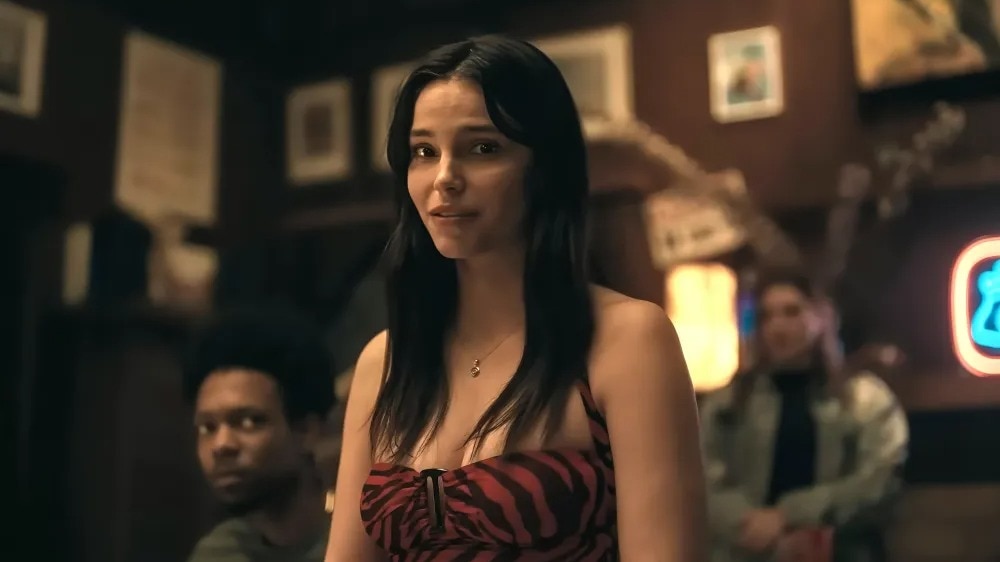
Audience Reactions and Online Backlash
Soon after the film’s release, social media platforms filled with criticism directed at the censorship decision.
Many viewers questioned the logic behind trimming scenes from an adult-certified horror film. Others expressed frustration that important moments reportedly discussed by international audiences were either shortened or removed in the Indian version.
Some users argued that repeated censorship decisions are gradually reducing the incentive to watch films in theatres, particularly when global audiences often have access to unedited versions.
The frustration was not limited to casual viewers. Dedicated horror fans voiced concerns that the genre frequently faces disproportionate scrutiny because of its reliance on disturbing imagery and mature themes.
For them, the controversy reflects a larger issue regarding how horror films are evaluated within certification frameworks.
The Growing Debate Around Creative Freedom
The Obsession situation has also revived conversations about artistic freedom in filmmaking.
Directors often spend years developing narratives, crafting visual language, and constructing emotional experiences. When scenes are modified or removed, filmmakers may feel that essential parts of their storytelling have been compromised.
Supporters of creative freedom argue that audiences should have the ability to make informed viewing decisions based on ratings rather than relying on pre-release content modifications.
From this perspective, certification should function as a guide for viewers rather than a mechanism for altering artistic content.
At the same time, defenders of censorship frameworks argue that regulatory bodies exist to ensure films comply with established guidelines regarding public exhibition.
The challenge lies in balancing these competing priorities without undermining either artistic expression or regulatory responsibilities.
A Changing Audience in the Streaming Era
The debate surrounding Obsession is occurring at a time when audience expectations are rapidly evolving.
Streaming platforms have fundamentally changed how viewers consume entertainment. Global audiences now have easier access to international cinema, diverse storytelling styles, and uncut versions of films.
As a result, many moviegoers are increasingly aware of differences between theatrical and original releases.
This awareness often amplifies frustration whenever substantial edits become public knowledge before a film’s release.
Modern audiences are also more comfortable engaging with mature themes than previous generations. Discussions around mental health, violence in storytelling, psychological complexity, and adult relationships have become more mainstream.
Because of this shift, some viewers believe certification systems should focus more on informing audiences than restricting content.
Why Obsession Became a Flashpoint
Not every censored film generates widespread backlash. Obsession became a flashpoint because it arrived with significant anticipation.
The film had already developed a strong reputation internationally and generated positive critical attention within horror circles. Many viewers entered theatres expecting to experience the same version being discussed globally.
When reports emerged detailing the cuts, expectations immediately collided with concerns about altered storytelling.
The fact that some viewers felt the edits affected crucial narrative moments intensified the criticism.
For horror enthusiasts, the issue extended beyond a single film. It represented a recurring concern regarding how mature genre cinema is handled in India.
The Future of Film Certification Debates
The controversy surrounding Obsession is unlikely to be the last of its kind.
As global content becomes more accessible and audiences grow increasingly informed, certification decisions will continue to face public scrutiny.
Filmmakers, distributors, audiences, and regulatory authorities will all play important roles in shaping future conversations around censorship and artistic freedom.
The challenge moving forward will be finding a balance that protects regulatory standards while preserving creative intent.
For now, Obsession has succeeded in doing something beyond frightening audiences.
It has forced another national conversation about who decides what adults should be allowed to watch, how much creative content can be altered before storytelling suffers, and whether traditional censorship models remain aligned with modern viewing habits.
In many ways, the debate surrounding the film may prove more lasting than the 38 seconds that were ultimately removed.
0 0 0 0 0 0 0 0 0 0 0 0 0 0 0 0 0 0 0 0 0 0 0 0 0 0 0 0 0 0 0 0 0